Consultation
Dr. Bayliss performs a comprehensive psychiatric evaluation, reviews your treatment history, and determines the optimal TMS protocol for your condition.


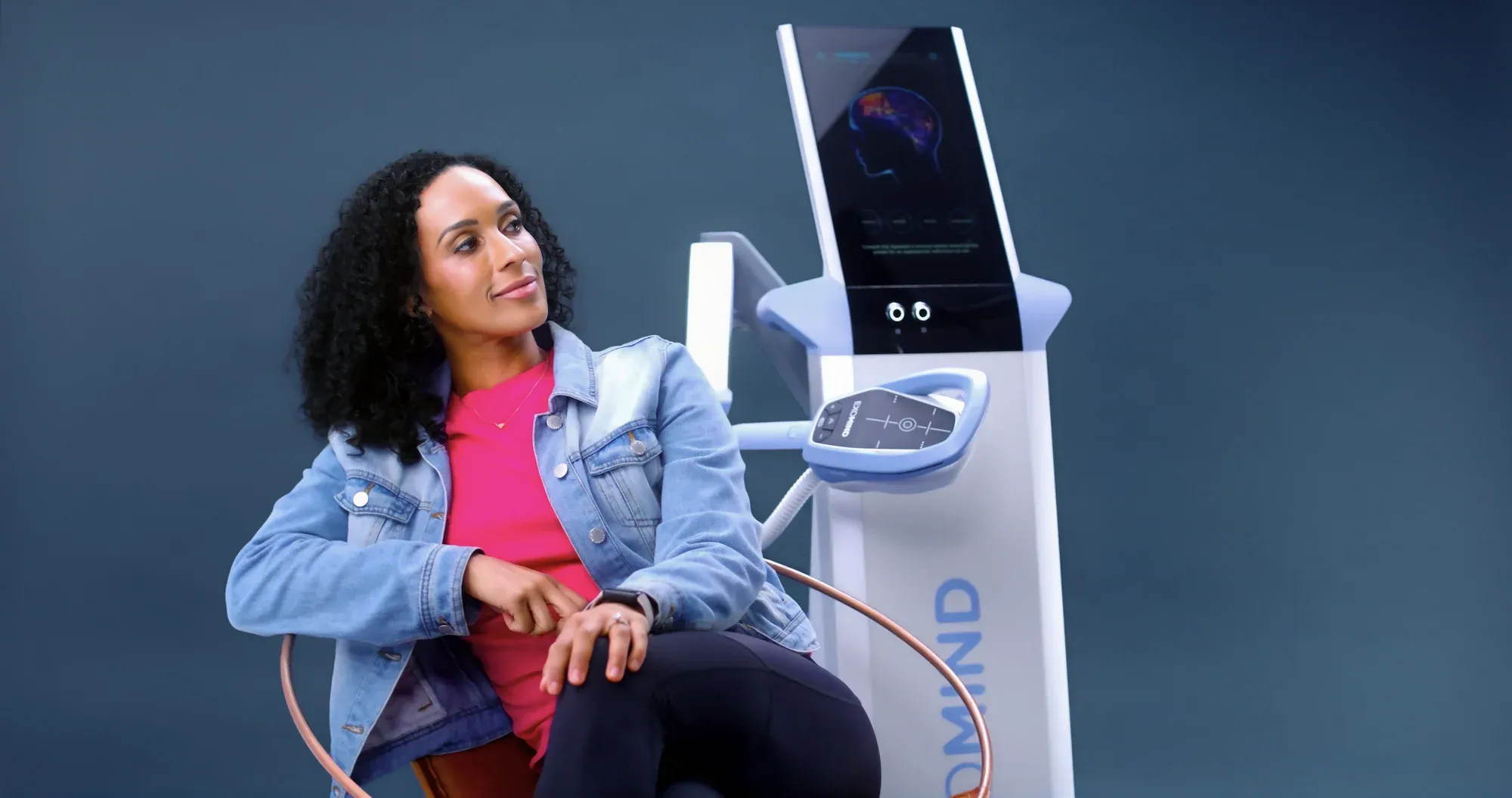
FDA-Cleared Brain Stimulation
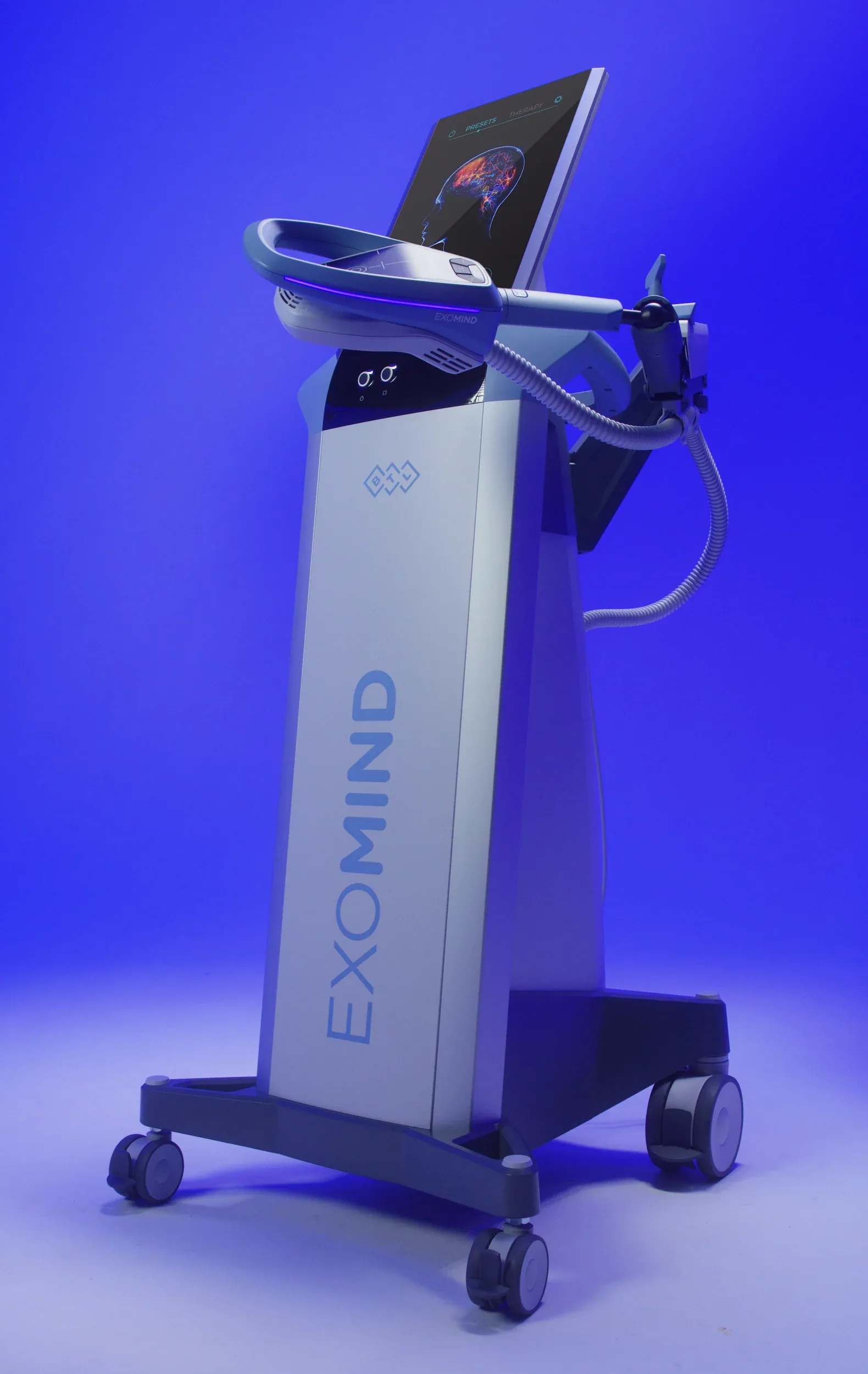
Understanding Treatment Resistance
Living with treatment-resistant depression or OCD can feel isolating and exhausting. You may have tried multiple medications, each with its own set of side effects, only to find that your symptoms persist. Many patients in Augusta and the surrounding communities of Evans, Martinez, and North Augusta experience this frustrating cycle. The emotional toll of ineffective treatments can erode hope and make daily life feel overwhelming, affecting your relationships, career, and overall well-being.
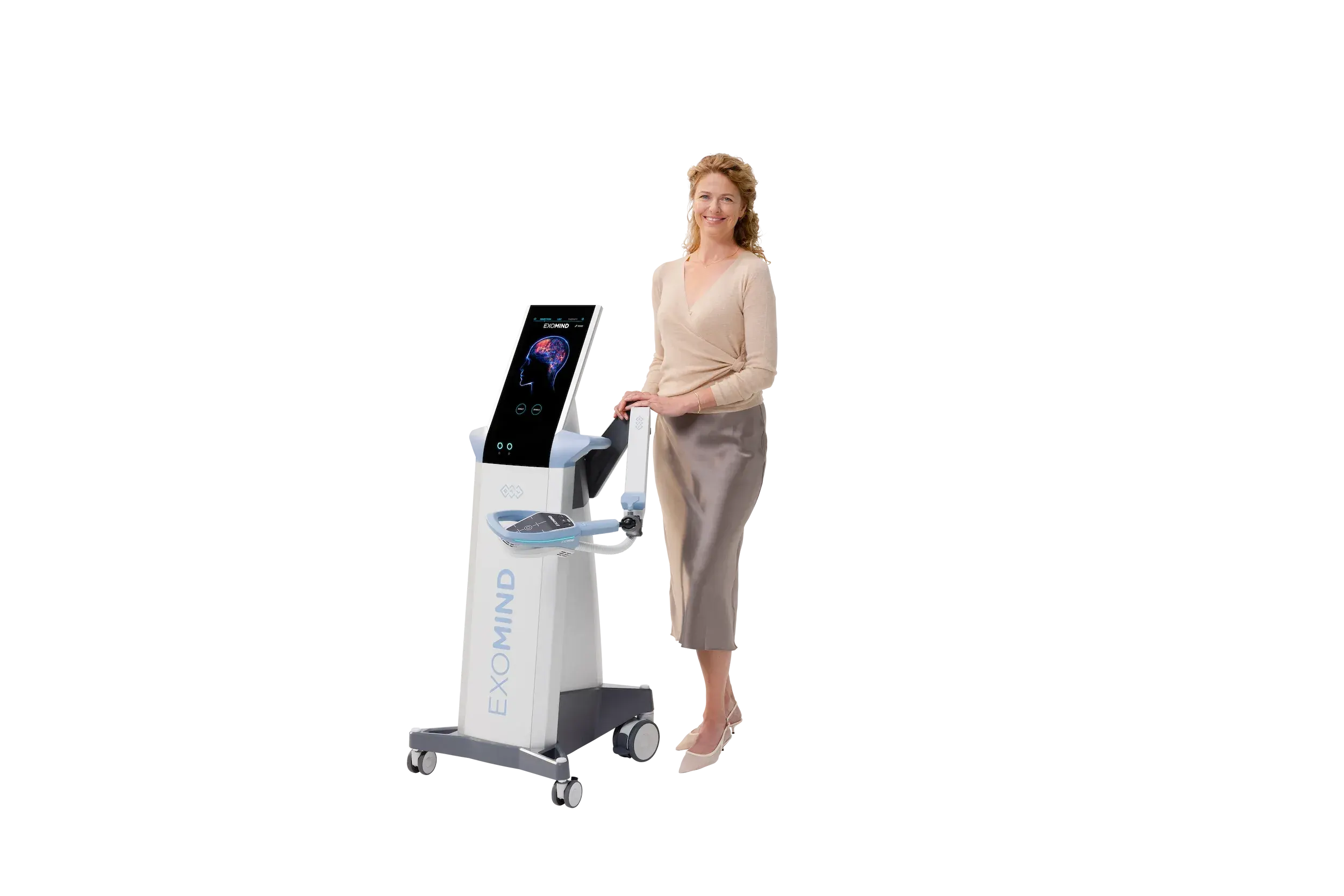
Exomind TMS therapy at Ivy Collaborative Healthcare offers a fundamentally different approach. Instead of altering brain chemistry through medication, BTL's patented ExoTMS technology uses targeted magnetic pulses to directly stimulate the brain regions responsible for mood regulation and emotional processing. This FDA-cleared treatment requires no sedation, no medication, and no recovery time. In as few as six sessions, patients experience measurable improvements in depressive symptoms and regain a sense of control over their mental health.
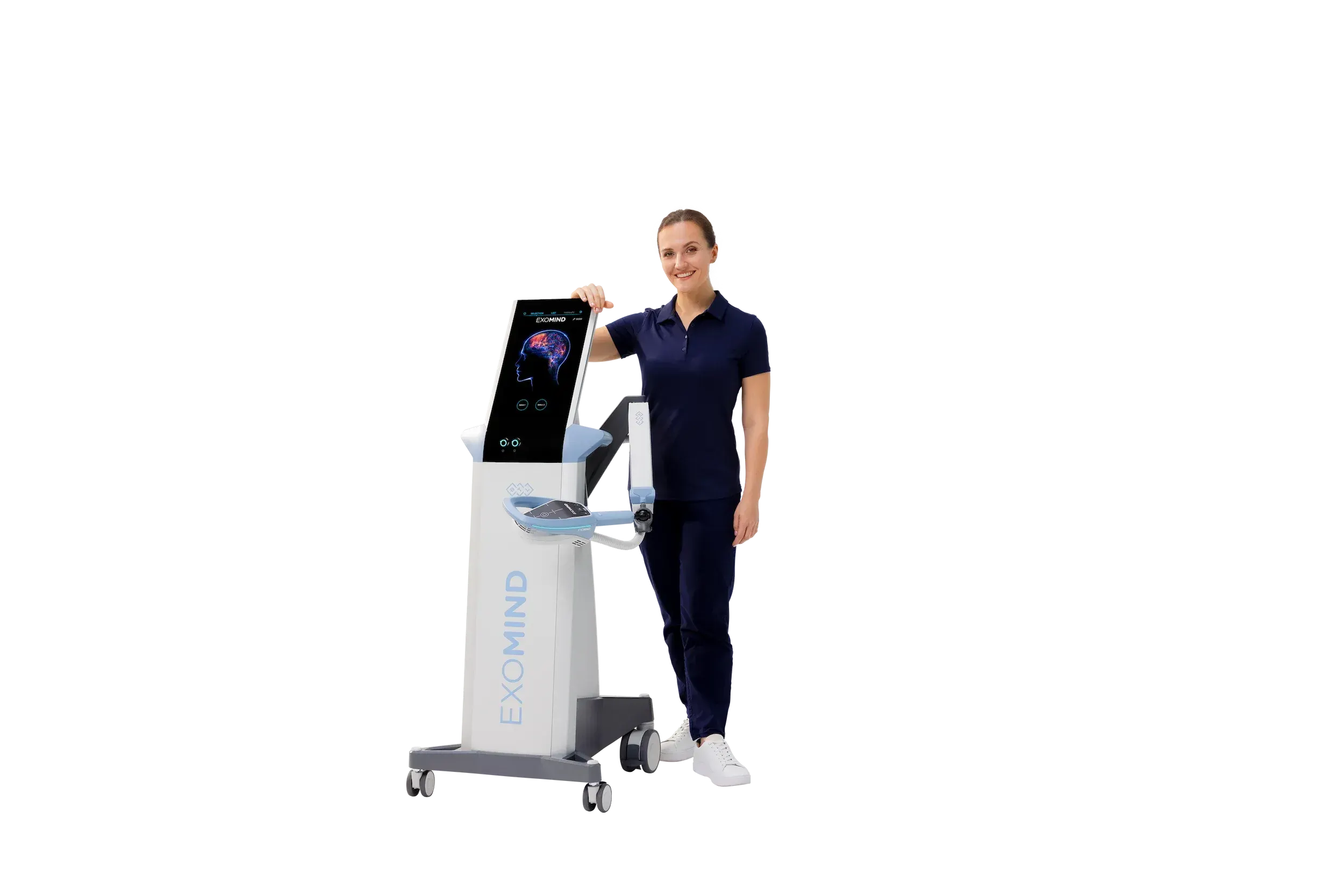
Patented ExoTMS Brain Stimulation
Exomind is an advanced transcranial magnetic stimulation (TMS) device manufactured by BTL that uses patented ExoTMS technology to treat major depressive disorder. FDA-cleared for depression, Exomind delivers focused magnetic pulses to the left dorsolateral prefrontal cortex (DLPFC), a brain region critically involved in mood regulation, emotional processing, and cognitive function. Unlike traditional antidepressant medications that alter brain chemistry systemically, Exomind targets the specific neural circuits where dysfunction occurs.
During each session, the Exomind device generates precisely calibrated magnetic fields at a frequency of 12 to 18 Hz that penetrate the skull painlessly and stimulate neurons in the prefrontal cortex. This process, known as neuroplasticity enhancement, strengthens the connections between neurons and restores healthy patterns of brain activity. The result is improved communication within the neural networks that govern mood, motivation, and emotional resilience. Patients remain fully awake and comfortable throughout the treatment, experiencing only a gentle tapping or mild tingling sensation on the scalp.
Watch the video below to learn how Exomind TMS therapy uses targeted magnetic pulses to stimulate the brain regions responsible for mood regulation, offering a drug-free, non-invasive path forward for patients with treatment-resistant depression and OCD. With results in as few as six sessions and zero downtime, Exomind TMS provides an alternative when medication and therapy alone are not enough. Contact Ivy Collaborative Healthcare to find out if TMS is right for you.
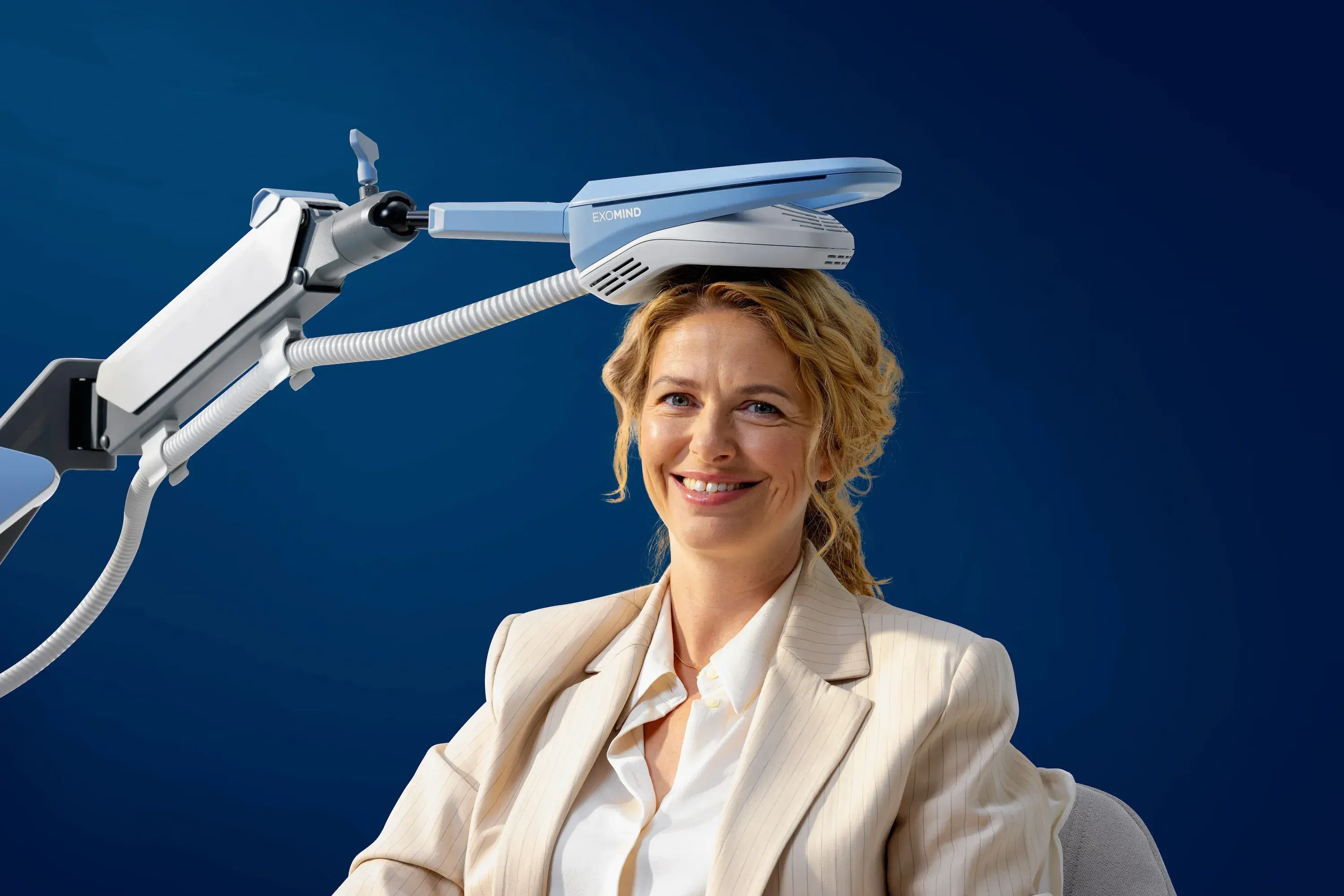
Why Patients Choose TMS
No surgery, no anesthesia, and no sedation required during any session
Treats depression without adding medications or their systemic side effects
Results achieved in as few as 6 treatments, each lasting under 30 minutes
Return to work, driving, and daily activities immediately after every session
Backed by decades of TMS research with response rates of 50-60% for treatment-resistant depression
Patients report only a gentle tapping sensation with no pain or discomfort
Compare Your Options
| Treatment | Mechanism | Time | Results | Duration | Downtime | Best For |
|---|---|---|---|---|---|---|
| Exomind TMS | Magnetic pulses to prefrontal cortex | Under 30 min/session | Improvement in as few as 6 sessions | Long-lasting with maintenance | None | Treatment-resistant depression, OCD |
| Antidepressant Medication | Alters brain chemistry systemically | Daily oral dose | 4-8 weeks for initial effect | Ongoing daily use required | None | Mild to moderate depression |
| Electroconvulsive Therapy (ECT) | Electrical stimulation under anesthesia | 5-10 min under sedation | Often rapid response | 2-4 weeks of sessions | 1-2 days recovery per session | Severe, life-threatening depression |
| Traditional TMS Systems | Magnetic pulses to brain regions | 20-40 min/session | 4-6 weeks (20-36 sessions) | Long-lasting with maintenance | None | Treatment-resistant depression |
Candidacy and Considerations
Exomind TMS therapy is designed for adults who have not found adequate relief from traditional depression or OCD treatments. Dr. Bayliss conducts a thorough psychiatric evaluation to determine whether TMS is the right fit for your unique clinical profile.
During your initial consultation, Dr. Bayliss will review your complete medical history, current medications, and treatment goals to ensure Exomind TMS is both safe and appropriate for you.
Dr. Bayliss performs a comprehensive psychiatric evaluation, reviews your treatment history, and determines the optimal TMS protocol for your condition.
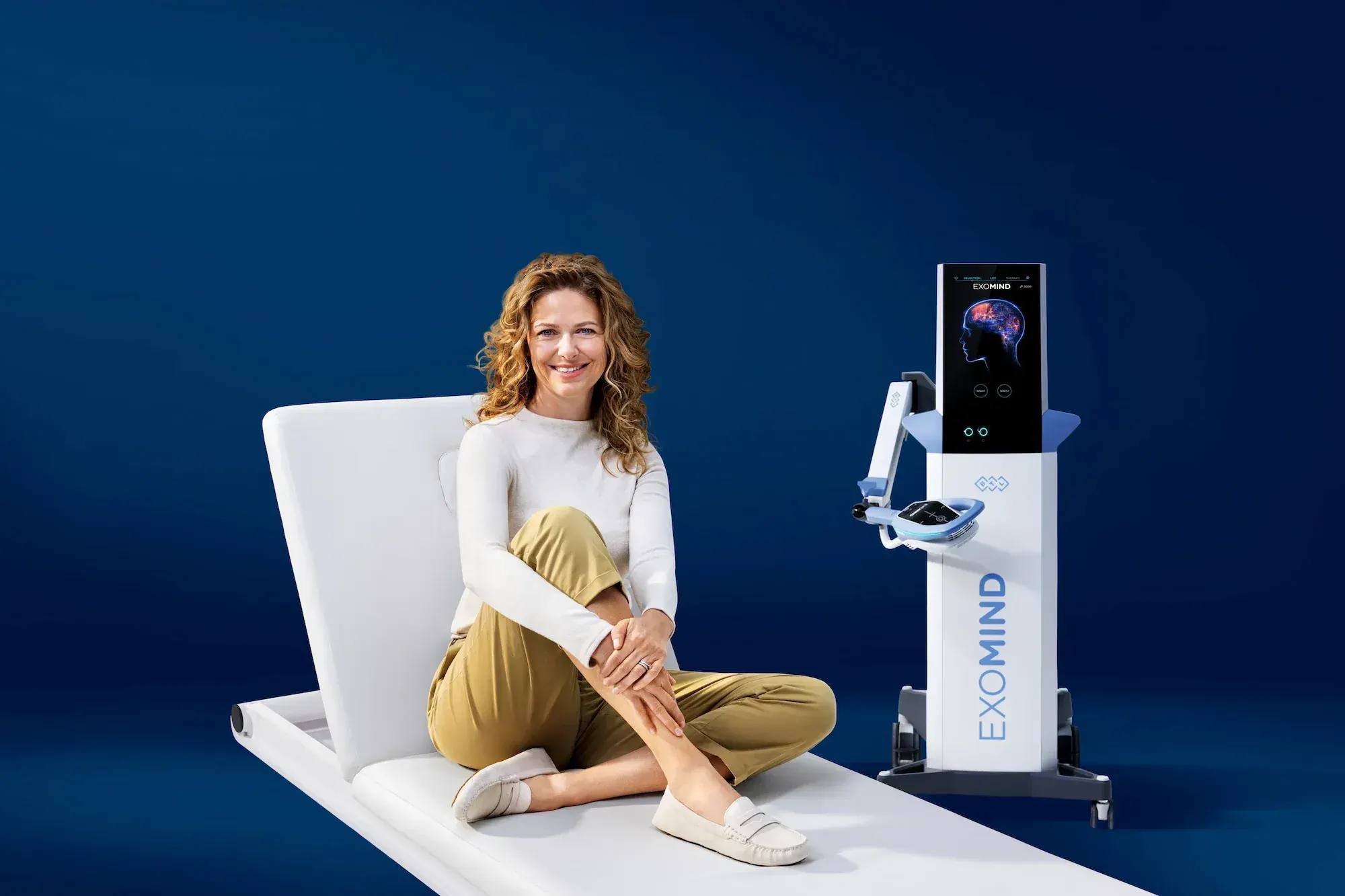
You are comfortably reclined in a spa-like treatment chair while Dr. Bayliss calibrates the Exomind device to your individual motor threshold.
The Exomind applicator is positioned over the left prefrontal cortex, delivering gentle magnetic pulses at a precisely targeted frequency for under 30 minutes.
The session ends and you are free to leave immediately. There is no recovery period — patients drive themselves home and resume all normal activities.
What to Know About TMS
Exomind TMS therapy has an excellent safety profile supported by decades of clinical research on transcranial magnetic stimulation. The most commonly reported side effects are mild and temporary, including slight scalp discomfort or a tingling sensation at the treatment site during the session. Some patients experience a mild headache following their first few treatments, which typically resolves on its own or with over-the-counter pain relief.
Serious adverse events are exceedingly rare. The risk of seizure during TMS is estimated at less than 0.1% when treatment is administered within established safety guidelines. Exomind TMS does not cause the systemic side effects commonly associated with antidepressant medications, such as weight gain, sexual dysfunction, nausea, or sedation. There is no impact on memory or cognitive function.
Dr. Bayliss screens all patients thoroughly before treatment to identify any contraindications, including metallic implants, seizure history, or cardiac devices. This careful evaluation ensures that each patient receives TMS safely and within the parameters of FDA clearance.
The cost of Exomind TMS therapy varies based on your individual treatment plan. A standard Exomind protocol consists of 6 sessions, which is significantly fewer than traditional TMS systems that typically require 20 to 36 sessions.
A full course of TMS therapy in the United States generally ranges from $6,000 to $12,000 without insurance. Exomind's streamlined 6-session protocol may reduce overall treatment costs compared to traditional TMS systems requiring 30 or more sessions.
Medicare Part B covers TMS for severe major depressive disorder when deemed medically necessary. Recent policy changes require patients to have tried only one antidepressant before qualifying for TMS coverage.
Flexible financing available through Cherry.
Contact Ivy Collaborative Healthcare at (706) 364-3461 to discuss payment options for Exomind TMS therapy.

Expert Psychiatric TMS Care in Augusta
TMS administered under the direct supervision of a dual-certified psychiatric specialist
TMS seamlessly combined with medication management and psychiatric evaluation
Spa-like setting designed to ease anxiety and promote comfort during sessions
Each treatment plan calibrated to your specific neurological needs and treatment history
Enhance your results with these complementary wellness services.

Comprehensive psychiatric evaluations and medication management for children, adolescents, and adults.

Non-invasive pelvic floor strengthening for improved bladder control, intimacy wellness, and overall pelvic health.
Answers About TMS Treatment
Transcranial magnetic stimulation (TMS) is an FDA-cleared, non-invasive treatment that uses focused magnetic pulses to stimulate specific brain regions involved in mood regulation. Exomind uses patented ExoTMS technology by BTL to deliver targeted stimulation to the left dorsolateral prefrontal cortex, helping restore healthy neural activity in patients with depression and OCD.
TMS delivers magnetic pulses that activate underperforming neurons in the prefrontal cortex, the brain region most associated with mood, motivation, and emotional processing. Over the course of treatment, these repeated stimulations strengthen neural connections and restore normal patterns of brain activity, leading to measurable improvements in depressive symptoms.
Exomind is a next-generation TMS device manufactured by BTL that uses patented ExoTMS technology. Unlike traditional TMS systems that require 20 to 36 sessions over 4 to 6 weeks, Exomind's FDA-cleared depression protocol delivers results in as few as 6 treatments. Sessions are also shorter, lasting under 30 minutes, and patients consistently report greater comfort.
The standard Exomind protocol for depression consists of 6 treatments, typically administered twice per week over 1 to 3 weeks. Dr. Bayliss may recommend additional sessions or maintenance treatments based on your individual response and clinical needs.
The most common side effects are mild and temporary, including slight scalp discomfort or tingling at the treatment site and mild headache after the first few sessions. Serious side effects are extremely rare, with seizure risk estimated at less than 0.1%. Unlike antidepressants, TMS does not cause weight gain, sexual dysfunction, nausea, or cognitive impairment.
Yes, TMS is considered very safe when administered by a qualified provider within established guidelines. It has been extensively studied for over three decades and is FDA-cleared for the treatment of depression. Dr. Bayliss conducts a thorough screening to ensure TMS is appropriate for each patient before beginning treatment.
Research supports the effectiveness of TMS for obsessive-compulsive disorder. Clinical studies have shown that TMS produces a moderate therapeutic effect on OCD symptoms, with patients approximately three times more likely to respond compared to sham treatment. Dr. Bayliss can evaluate whether TMS is appropriate for your specific OCD symptoms.
Antidepressants work by altering brain chemistry systemically and typically take 4 to 8 weeks to show initial effects, often with side effects like weight gain or sexual dysfunction. Exomind TMS directly stimulates the brain region responsible for mood regulation, produces results in fewer sessions, requires no daily medication, and avoids systemic side effects. TMS can also be used alongside existing medications.