

Woman addressing facial aging and wrinkle concerns at Ivy Collaborative Healthcare Augusta

Facial Aging & Wrinkle Treatment in Augusta, GA

Restore Your Natural Youthfulness

Common In:Adults 30+
Primary Causes:Collagen Loss, Muscle Atrophy, Sun
Treatment Time:20 minutes
Results:Gradual over 1-3 months
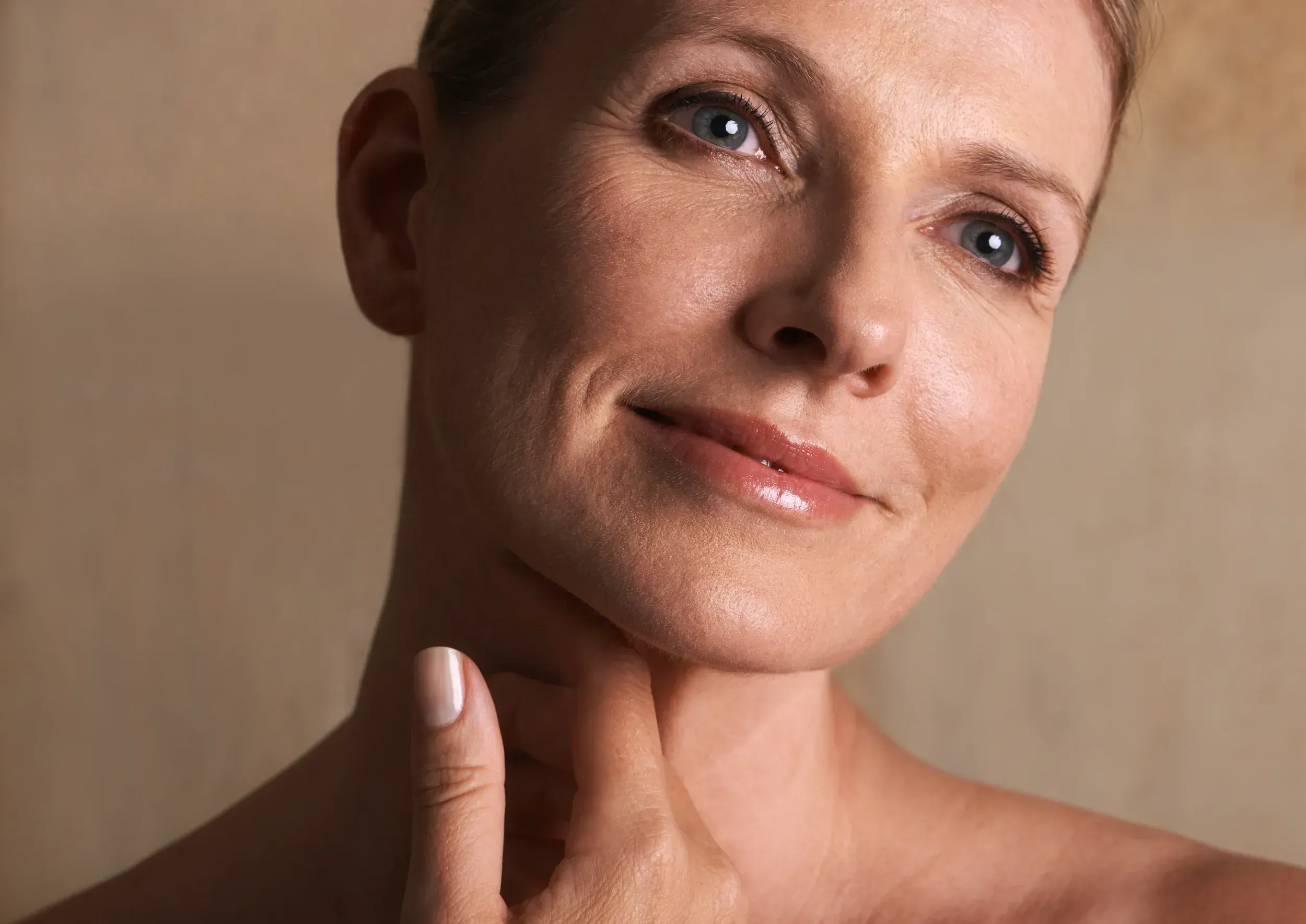
Close-up visual of facial aging concerns at Ivy Collaborative Healthcare

What Is Facial Aging?

Recognizing the Signs

Facial aging is a multifactorial biological process characterized by progressive collagen degradation, facial muscle atrophy, and loss of subcutaneous volume. These structural changes result in visible wrinkles, sagging skin, and diminished facial contour definition, typically accelerating after the age of 30 as the body's regenerative capacity naturally declines.

When you look in the mirror and notice deepening lines around your eyes or mouth, or that your cheeks and jawline appear less defined than they once did, you are observing the visible signs of facial aging. These changes can make your face appear tired, drawn, or older than you feel inside.

Many patients describe their face as looking "heavier" or "less vibrant," particularly in photographs or under certain lighting. The gradual loss of facial muscle tone and skin elasticity creates shadows and folds that were not present before, often leading to frustration with makeup application and self-image in social settings.

Illustration of collagen and muscle changes in facial aging at Ivy Collaborative Healthcare Augusta

Why Facial Aging & Wrinkles Happen

Understanding the Root Causes

Healthy, youthful skin depends on a continuous balance between collagen production and breakdown. Under optimal conditions, fibroblasts in the dermis synthesize new collagen fibers to maintain structural integrity. However, after age 30, collagen production decreases by approximately 1% per year, while matrix metalloproteinases (MMPs) continue to break down existing fibers at the same or accelerated rates.

This imbalance leads to a progressive thinning of the dermal layer, where collagen and elastin provide the scaffolding for smooth, firm skin. As these structural proteins diminish, the skin loses its ability to resist gravitational forces, resulting in the sagging, creasing, and wrinkling that define facial aging.

Simultaneously, facial muscles undergo sarcopenia, a gradual loss of muscle mass and tone that begins as early as the fourth decade. The muscles of facial expression become thinner and weaker, reducing the structural support beneath the skin and contributing to the deepening of nasolabial folds, jowl formation, and overall loss of facial definition.


Diagram showing collagen and muscle structural changes at Ivy Collaborative Healthcare

Collagen & Muscle Structural Changes

How Aging Affects Facial Architecture

The dermal layer contains type I and type III collagen, the primary structural proteins responsible for skin firmness and resilience. Type I collagen forms dense, organized fibers that resist stretching, while type III collagen provides flexibility. As we age, the ratio of type I to type III collagen shifts unfavorably, leaving skin fragile, inelastic, and prone to wrinkling.

Reactive oxygen species (ROS) generated by UV exposure and normal metabolic processes activate the MAPK/AP-1 signaling pathway, which increases MMP expression and accelerates collagen breakdown. This oxidative stress simultaneously suppresses new collagen synthesis through downregulation of the TGF-beta/Smad pathway, creating a compounding cycle of degradation that accelerates visible aging.

Beneath the skin, facial muscles play a critical but often overlooked role in maintaining youthful contours. The frontalis, zygomaticus, and orbicularis muscles lose both mass and contractile strength with age, reducing the natural lift that supports the brow, cheeks, and mouth. This muscular atrophy compounds the effects of collagen loss, accelerating the visible descent of facial tissues.

Lifestyle factors affecting facial aging at Ivy Collaborative Healthcare Augusta

What Accelerates Facial Aging & Wrinkles?

Identifying Your Triggers

01

Intrinsic Aging

Natural collagen production decreases approximately 1% annually after age 30, while facial muscle mass progressively declines, reducing the structural support beneath your skin.

02

Sun Exposure

Ultraviolet radiation generates reactive oxygen species that directly degrade collagen fibers and suppress new collagen synthesis, accounting for up to 80% of visible facial aging.

03

Lifestyle Factors

Chronic stress, poor sleep quality, smoking, and inadequate hydration impair cellular repair processes and accelerate the breakdown of collagen and elastin fibers.

04

Hormonal Changes

Declining estrogen levels during perimenopause and menopause significantly reduce collagen production and skin thickness, often causing accelerated aging in the mid-face region.

05

Repetitive Facial Movements

Years of smiling, squinting, and frowning create dynamic wrinkles that eventually become static lines etched into the skin as underlying collagen weakens.

Ivy Collaborative Healthcare clinic interior in Augusta Georgia

Why Choose Ivy Collaborative Healthcare

Expert Care in Augusta

  • Comprehensive Assessment
  • Personalized Treatment Plans
  • Advanced Technology
  • Non-Invasive Approach

Treatment Options Comparison

Finding Your Best Approach

Treatment Best For Session Time Results Timeline Maintenance
Emface Facial Rejuvenation Lifting, toning, wrinkle reduction 20 minutes Gradual over 1-3 months Every 6-12 months
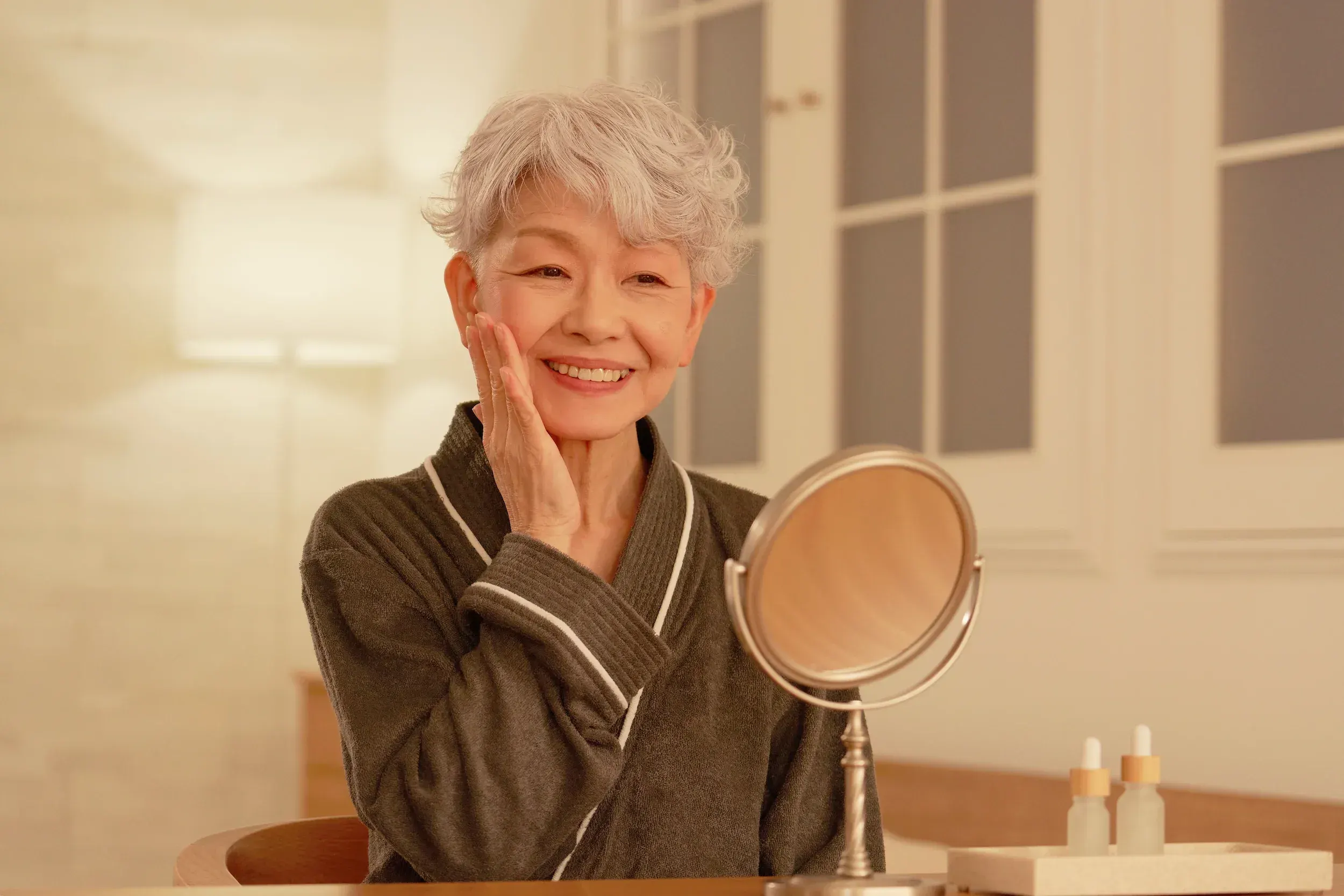
Person concerned about facial aging at Ivy Collaborative Healthcare

You May Be Experiencing Facial Aging If...

Recognizing When to Seek Help

  • Deepening Lines
  • Loss of Facial Definition
  • Sagging Skin
  • Tired Appearance
  • Makeup Challenges

Frequently Asked Questions

About Facial Aging & Wrinkles

01 What causes facial aging and wrinkles?

Facial aging results from a combination of collagen degradation, facial muscle atrophy, fat pad descent, and bone resorption. Environmental factors like sun exposure and lifestyle habits accelerate these natural processes, leading to visible wrinkles, sagging, and loss of facial definition.

02 What is the best non-surgical treatment for wrinkles?

The most effective non-surgical approach depends on your specific concerns. At Ivy Collaborative Healthcare, we offer Emface Facial Rejuvenation, which uniquely combines radiofrequency for collagen stimulation with HIFES technology for facial muscle toning, addressing both major causes of facial aging simultaneously.

03 How does Emface reduce wrinkles?

Emface delivers synchronized radiofrequency energy to heat the dermis and stimulate new collagen production, while HIFES technology selectively contracts facial muscles to improve tone and lift. Clinical studies show an average 37% wrinkle reduction after completing the recommended treatment course.

04 Can facial muscles be toned without surgery?

Yes. Emface uses High-Intensity Facial Electrical Stimulation (HIFES) to contract facial muscles thousands of times during a single 20-minute session, improving muscle tone and density. This non-invasive approach has been shown to increase facial muscle tone by an average of 30% in clinical studies.

05 How many Emface sessions are needed for visible results?

Most patients complete four 20-minute sessions spaced five to 10 days apart. Many notice initial improvements after the first session, with progressive enhancement over one to three months as collagen remodeling and muscle strengthening continue.

06 Can I prevent facial aging from getting worse?

Consistent sun protection, a healthy lifestyle, and professional treatments can significantly slow progression. While some age-related changes are inevitable, maintaining facial muscle tone and stimulating collagen production through treatments like Emface can help preserve your results long-term.

07 Is it normal for my face to lose definition as I age?

Yes, facial muscle atrophy and collagen loss are natural processes that begin in your 30s and accelerate over time. Understanding these changes helps you make informed decisions about when and how to address them with professional treatments.

08 When should I see a professional about facial aging?

Many patients seek consultation when they first notice persistent lines at rest, loss of jawline definition, or a tired appearance that does not improve with sleep. A professional assessment at Ivy Collaborative Healthcare can help determine the best approach for your individual concerns.

Location2100 Central Avenue, Suite 6
Augusta, GA, 30904

Schedule Your Consultation

Scientific References